

Photo by the author
Your intuition knows where you need to be, but you’re caught up in the drift. Sometimes there is a gap between where you are, and what is desired. The idea of “mission and values” are very powerful concepts, but when you’re being caught in the drifting force of other people’s priorities, moving forward is a chore.
Seth Godin pointed out this gap: “The calendar belongs to everyone else. Their schedule isn’t your schedule unless it helps you get where you’re going.”
Intuition is one of the keys to action, which is the most important precursor to closing the gap and realizing your mission. This is sometimes easier than it really is, when you’re pulled in direction that is not your own.
One of my favorite quotes on Intuition was made by the late Steve Jobs, who embodied an internal awareness that created great things. He said: “Have the courage to follow your heart and intuition. They somehow already know what you truly want to become.”
Zero in on your intuition, and it will help you zero in on where you want to be. How do you get out of your current rut?
- Start writing. Journaling your ideas unlocks the floodgates to change. It might feel awkward at first, but it helps you zero in.
- Read something – not the news, but something out of the box, inspiring to you, or motivational. Let great minds inspire you.
- Make a list of “the gaps”. Name and label the gaps. Keep it simple.
- You may want to do a classic Pareto Chart(80/20) chart. What are the 20 percent affecting the 80 percent? https://www.reliableplant.com/Read/2251/pareto-chart
- Do a chain analysis on each of the gaps. An old school “Root Cause Analysis”https://limblecmms.com/blog/root-cause-analysis-rca/ is helpful for developing your intuition.
- Take a moment to reflect. Let your intuition guide you. Mindfulness is another tool. https://www.tarabrach.com/
- Begin looking at small changes first. Take actionable small steps toward closing the gap. Remember: Imperfect Progress is progress.
- Reevaluate, and repeat. Check whether you are zeroing in on your mission or vision
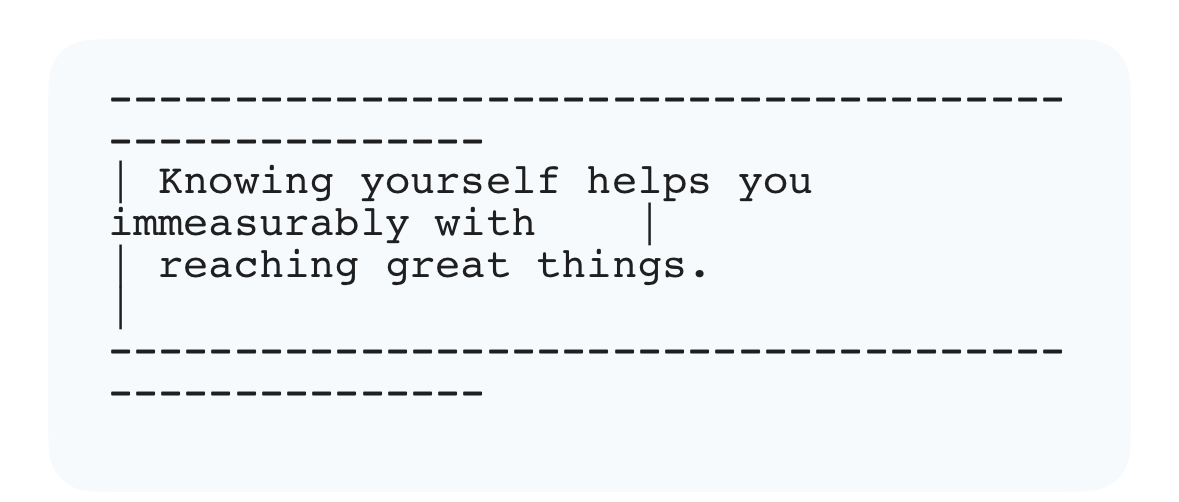
Knowing yourself helps you immeasurably with reaching great things. As you continue these steps, you will discover so many ideas, opportunities, and action steps that will hone your intuition and future direction.

 Reaching A Higher Level